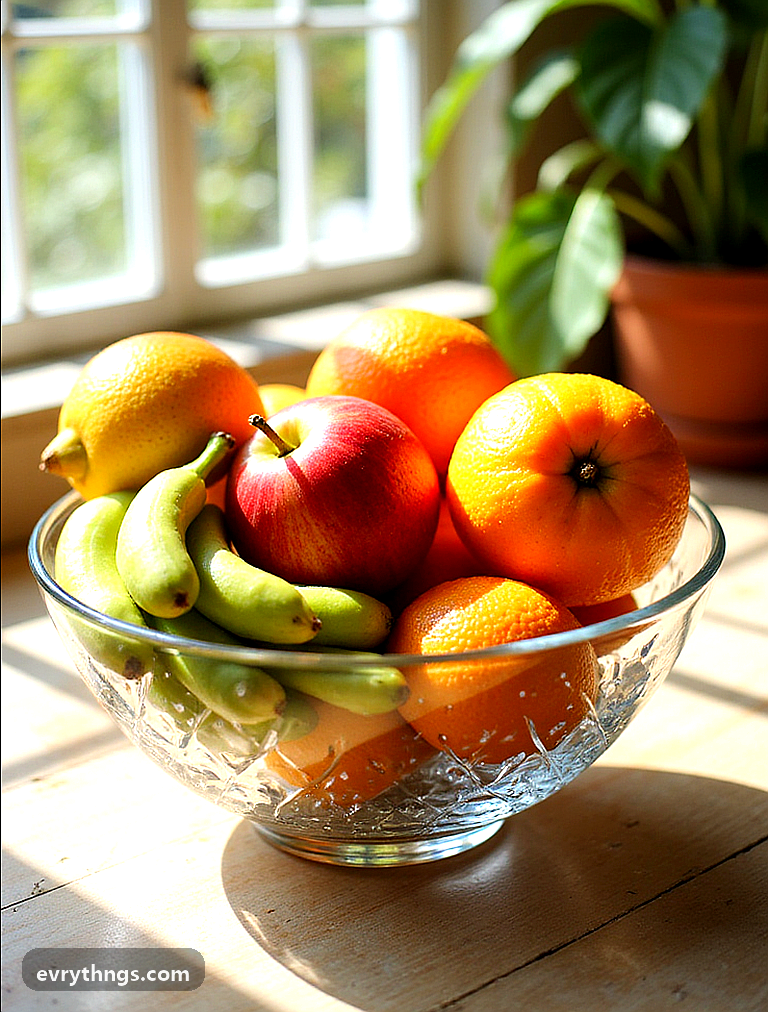

How to Build a Budget-Friendly Grocery List

The Comfort of Food in a Hectic World
There’s something undeniably soothing about food. Whether it’s a warm bowl of soup on a chilly evening or the aroma of freshly baked bread wafting through the house, food has a way of anchoring us amid the chaos of daily life. In our fast-paced world, comfort food becomes more than just a meal; it transforms into a source of solace. It’s the mini-vacation we allow ourselves during hectic days, the indulgence that whispers, “You deserve this.” But comfort often comes with its own set of challenges. How can we keep enjoying our favorite foods without breaking the bank?
The Everyday Struggle with Grocery Costs
As life gets busier and prices rise, many of us find ourselves constantly reevaluating our grocery lists. The truth is: food costs are climbing, and that can leave us feeling stretched thin. It’s no longer just about satisfying cravings; it’s about making choices that don’t leave our wallets gasping for air. This is where a well-thought-out grocery list can become our best ally.
Creating Your Budget-Friendly Grocery List
A budget-friendly grocery list isn’t about sacrificing quality or taste; it’s about smart planning and a little creativity. Here are some practical tips to help you craft a list that reflects your needs while keeping your finances in check.
1. Know Your Staples
Start by evaluating which foods are staples in your kitchen. These are ingredients you use regularly and can form the backbone of numerous meals. Think rice, pasta, canned tomatoes, beans, and frozen vegetables. Having these essentials on hand helps you whip up comforting meals without needing to rush to the store
2. Plan Around Sales & Seasonal Produce
Take a look at local grocery store flyers and plan your meals with items that are on sale. Seasonal produce is often more affordable and tastes better, too. For instance, summer brings an abundance of tomatoes and zucchini, while fall offers squash and apples. Embrace the flavors of the season and let them inspire your meals.
3. Make a Meal Plan
Before you head to the store, spend some time thinking about what meals you want to prepare for the week. Creating a simple meal plan can prevent impulse buying and ensure you’re purchasing only what you need. Try to choose meals that share ingredients to minimize waste and stretch your grocery budget further.
4. Embrace Batch Cooking
Batch cooking is a lifesaver for busy people looking to save both time and money. By making larger quantities of food, you can eat well throughout the week with minimal effort. Soups, stews, and casseroles not only taste wonderful but also save you from the temptation of takeout on particularly hectic days.
Balancing Cravings and Budgeting
Cravings can lead us down the path of extra spending if we’re not careful. It’s easy to justify that fancy snack or spontaneous dessert when we feel the stress of the day weighing us down. However, finding a balance between satisfying your cravings and staying within your budget can be achieved with a little planning.
Keep an eye on what you tend to crave the most. Is it something sweet? Maybe it’s savory snacks? Once you identify your comfort foods, you can start to recreate those treats at home in a more cost-effective way. Instead of splurging on that expensive bar of artisan chocolate, try making your own dessert using pantry staples. Not only does it save you money, but it can also bring a sense of achievement.
Finding Breathing Room Financially
As grocery costs continue to soar, many people find themselves looking for ways to create some financial breathing room. It’s not just about pinching pennies at the grocery store; it’s about discovering new avenues to ease that strain. Often, this leads individuals to explore flexible work options.
Many have found that taking on remote gigs or phone-based work offers a way to earn extra income without compromising their current routines. This shift doesn’t need to be overwhelming. Even a few hours each week can help fill in the gaps, giving you more freedom to enjoy that comforting meal at the end of the day without worrying as much about the budget. It’s about finding balance—between what you earn, what you spend, and how you nourish yourself.
The Takeaway: Comfort and Calm
As we navigate through life, food continues to be a source of comfort. Crafting a budget-friendly grocery list is about more than just saving money; it’s a way to reclaim some control over our daily lives. By planning strategically and balancing cravings with mindful spending, we can enjoy the food we love without the stress of overspending.
Ultimately, finding financial breathing room and experiencing the joy of comfort food can coexist beautifully. It’s possible to nourish not only our bodies but also our souls without the constant worry about finances. In a world that often feels overwhelming, returning to the basics of food and nourishment can truly make a difference. So take a deep breath, grab your favorite pen, and start crafting that list—it’s the first step toward a more relaxed and enjoyable kitchen experience.