
Exploring the Symbolism of Food in Different Cultures

The Comfort of Food in Everyday Life
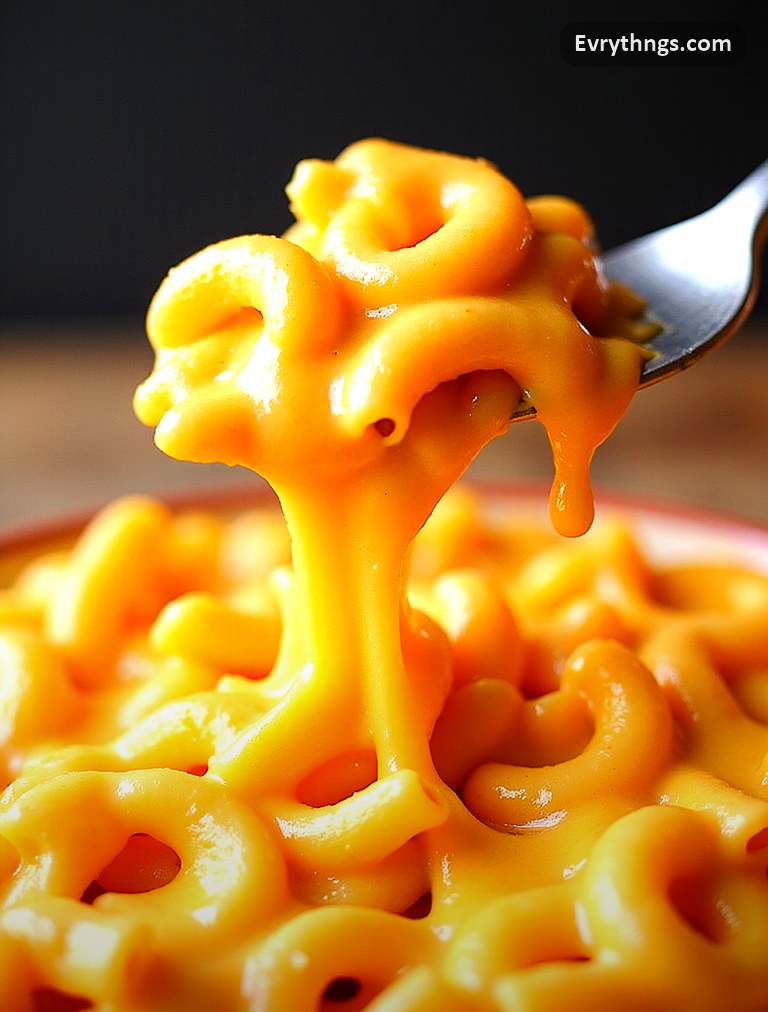
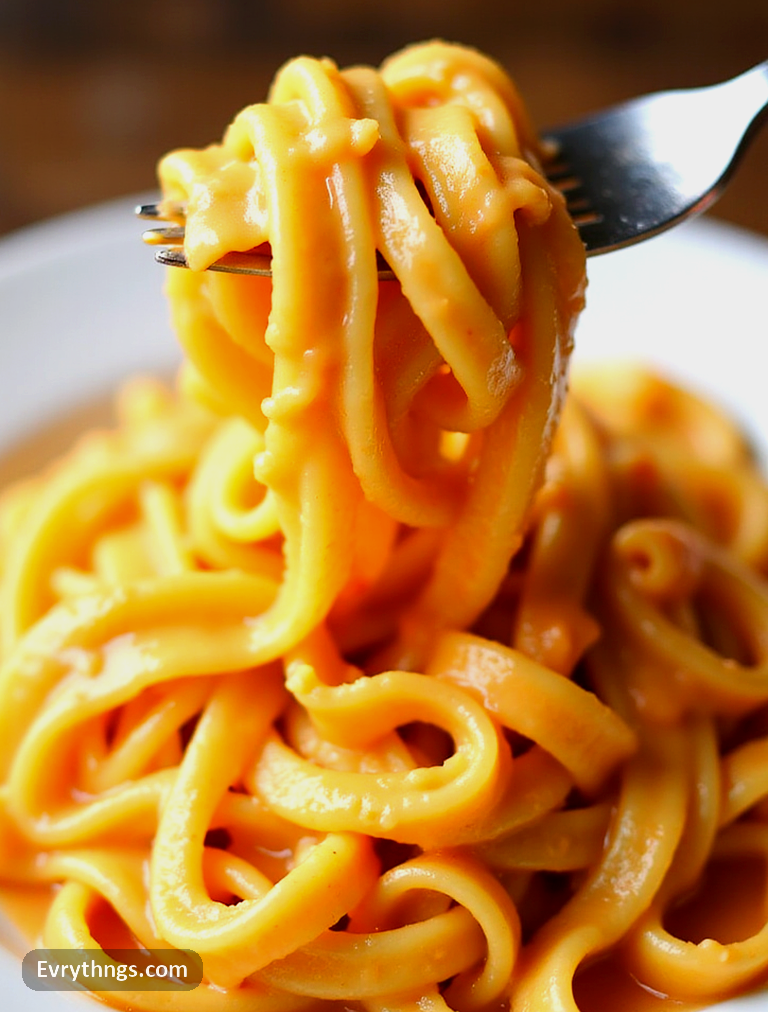
Food has a remarkable way of grounding us in our daily lives. It’s the warm bowl of soup on a cold evening, the simple toast spread with butter that transports us back to our childhood, or the fragrant spices that remind us of family gatherings. As we juggle various responsibilities, the comfort that comes from food can truly act as a balm for the soul. Amid the ever-increasing pace of life and the weight of our daily stressors, food becomes more than mere sustenance; it becomes a source of comfort, nostalgia, and connection.
In our busy lives, convenience often takes precedence. We reach for quick meals, microwave dinners, and pre-packaged snacks, seeking solace in the familiar flavors that don’t require much thought or effort. However, the symbolism of food stretches far beyond mere convenience. It holds cultural significance, a connection to our roots, and even a pathway to understanding ourselves better. Each bite can reveal layers of meaning, intertwined with history, celebration, and even sorrow.
The Cultural Tapestry of Food
Every culture has its own food customs and traditions that reflect values, historical contexts, and communal bonds. In Japan, for example, the ritual of preparing and sharing a meal is steeped in respect and mindfulness. Bowls of rice and miso soup are not just meals; they are an expression of appreciation for the simple and beautiful aspects of life. To many, every meal represents an opportunity to cultivate mindfulness, making dining a sacred experience.
Then there’s the tradition of breaking bread in Western cultures, symbolizing unity and fellowship. Sharing a loaf signifies trust and togetherness, bringing friends and family together around the table. This idea resonates even more deeply during holidays, where specific dishes serve as a link to our ancestors. Whether it’s a turkey at Thanksgiving or a special dessert during the festive season, these foods serve as markers of identity, memories, and the love we share.
The Role of Food in Celebrations and Rituals
Celebrations around the world often hinge on food. From wedding feasts that showcase regional delicacies to the rich flavors of a Diwali feast where sweet treats symbolize prosperity and joy, food plays a crucial role in marking special occasions. It deepens our connections and provides context to our traditions, giving life to stories that are passed down through generations.
- Festivals: Think of the elaborate preparations for Lunar New Year, where dishes like dumplings symbolize wealth, or Eid feasts celebrating the end of Ramadan, which emphasize community and sharing.
- Cultural Identity: Many immigrants find solace in the foods of their homeland, as they become a reminder of their roots, offering a taste of familiarity in a new environment.
- Everyday Rituals: For many, a morning cup of coffee isn’t just about the caffeine boost; it’s a cherished ritual that marks the start of the day, a moment to pause before the hustle begins.
Food, Cravings, and Financial Pressures
As we reflect on the beautiful symbolism of food, it’s also important to recognize how our relationship with it can be influenced by financial pressures. The rising costs of groceries are a common concern for many, leading to stress about what we can afford to eat while still trying to maintain some sense of comfort and convenience. In this era where every dollar counts, we often find ourselves at a crossroads, trying to balance our cravings with our budgets.
Convenience foods may offer a quick fix, but they can also put a strain on our finances. As we navigate through choices at the grocery store, we may yearn for the comforts of hearty meals that remind us of home yet feel constrained by what our wallets allow. It’s a juggling act, where we strive to find affordable options without sacrificing the warmth that certain dishes bring to our lives.
Finding Breathing Room
During these times, some people are looking for realistic solutions to create a little extra breathing room financially. It’s not uncommon for individuals to explore various avenues, like remote gigs or flexible work options that allow them to earn a little more while still maintaining a sense of stability at home. These opportunities can provide not just financial relief, but also the time to engage with those comforting food traditions that bring so much joy into our lives.
Ultimately, the hope is to strike a balance between nourishing our bodies and souls while also keeping our financial health in check. Small adjustments to our routines, like meal planning or engaging in batch cooking, can help make comfort food more accessible. This way, we can still prepare beloved family recipes that reflect our heritage without breaking the bank, enabling us to share these experiences with loved ones.
Conclusion: The Interplay of Food and Life
Food symbolizes much more than just nutrition; it embodies tradition, connection, and comfort. As we navigate the complexities of our daily lives, recognizing the role that food plays can help us find solace amidst the chaos. It’s about savoring those moments, whether it’s enjoying a simple meal alone or sharing a feast with friends and family.
While financial pressures can sometimes overshadow the joy food brings, finding practical ways to adapt and embrace our culinary heritage can help ground us. It’s not about chasing perfection or adhering strictly to tradition; it’s about creating a life that feels a bit easier and more nourishing. In the end, that’s the true essence of food—it’s the comfort we find, the memories we create, and the stories we tell, all wrapped up in a shared experience around the table.