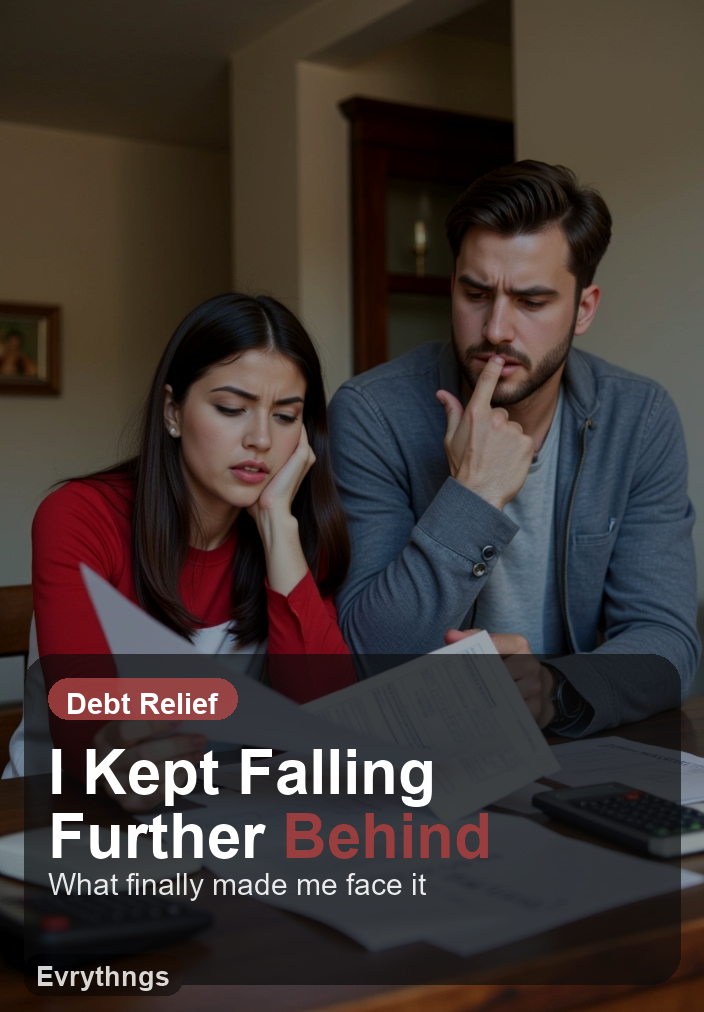

How I Learned to Prioritize My Financial Health
Understanding the Quiet Build-Up of Debt
Debt has a way of creeping into our lives when we least expect it. One moment, you might feel secure with your financial situation, and the next, unexpected expenses or lifestyle choices can lead to a spiral of credit card debt or personal loans. It’s a slow build, often unnoticed, and before you know it, you’re stuck in a cycle of stress and anxiety.
Many of us have experienced that sinking feeling when checking our bank balances or credit card statements. It’s easy to dismiss small charges or the occasional splurge as harmless. However, these minor decisions can cumulatively lead to overwhelming debt. The credit card isn’t just a tool for convenience; to many, it becomes a crutch during tough times, leading to a false sense of financial security.
The Trap of Interest and Minimum Payments
One of the most deceptive aspects of credit card debt is the way interest compounds, quietly inflating what seems manageable into something far more burdensome. Credit cards lure you in with low introductory rates, but once those expire, the interest can skyrocket. You might find yourself in a position where paying the minimum feels like treading water—your balance hardly budges, yet you’re shelling out money every month.
It’s a painful irony. You’re working hard to pay off what you owe, yet the debt continues to grow. Each month, you watch as more of your payment goes toward interest rather than the principal balance. This cycle can lead to financial overwhelm, creating a sense of hopelessness that’s hard to shake off.
Emotional Realities of Debt
Debt isn’t just a number; it’s an emotional burden. The feelings of shame and guilt can be paralyzing. You might find yourself avoiding conversations about finances or downplaying your situation to friends and family. The stress can seep into relationships, creating tension when you’re unable to participate in social activities due to financial constraints.
For many, this emotional strain can lead to avoidance. Rather than confronting the reality of debt, it’s easier to ignore it—until you can’t anymore. Bills pile up, calls from creditors become more frequent, and that once manageable situation feels insurmountable. You may even start to question your self-worth, feeling as if your financial situation is a reflection of your value as a person.
Finding Practical Solutions
It was only when I began to address my financial health proactively that I realized I could change my circumstances. I started small, tracking my spending and understanding where my money was going. Creating a budget was an essential step. I learned to prioritize my essentials and cut back on non-essentials, which, for me, included dining out and subscription services.
As I became more aware of my financial habits, I also began to look for support. I sought out resources that could provide guidance, which is where I discovered CuraDebt. Their consultation service opened my eyes to debt relief options that I hadn’t previously considered. These conversations helped me see that I wasn’t alone and that support was available to help navigate the complexities of debt relief.
Taking That First Step Towards Financial Health
It’s important to remember that there’s no one-size-fits-all solution to financial challenges. Every journey is unique, and for many, it begins with a simple acknowledgment of the situation. Instead of ignoring the elephant in the room, take a deep breath and commit to making one small change today. It could be as simple as writing down your debts and expenses, or reaching out for a consultation to discuss your options.
Debt may have felt like an insurmountable wall, but with each small step, you can start to break it down. Lean into the discomfort and allow yourself the space to learn and grow from your experience. You’re more than your debt, and claiming control of your financial health is a journey worth undertaking.
As you begin this path, remember that resources like CuraDebt can be a part of your support system, providing guidance when you need it most. If you’re feeling overwhelmed, consider reaching out for a consultation—they can help you explore your options without judgment.
A Grounded Closing
As you reflect on your financial health, allow yourself to feel hopeful. Change is possible, and it starts with that first step. Whether it’s budgeting, seeking professional guidance, or simply facing your finances head-on, each action you take can lead to a brighter and more secure future. You’ve got this, and you’re not alone in this journey.