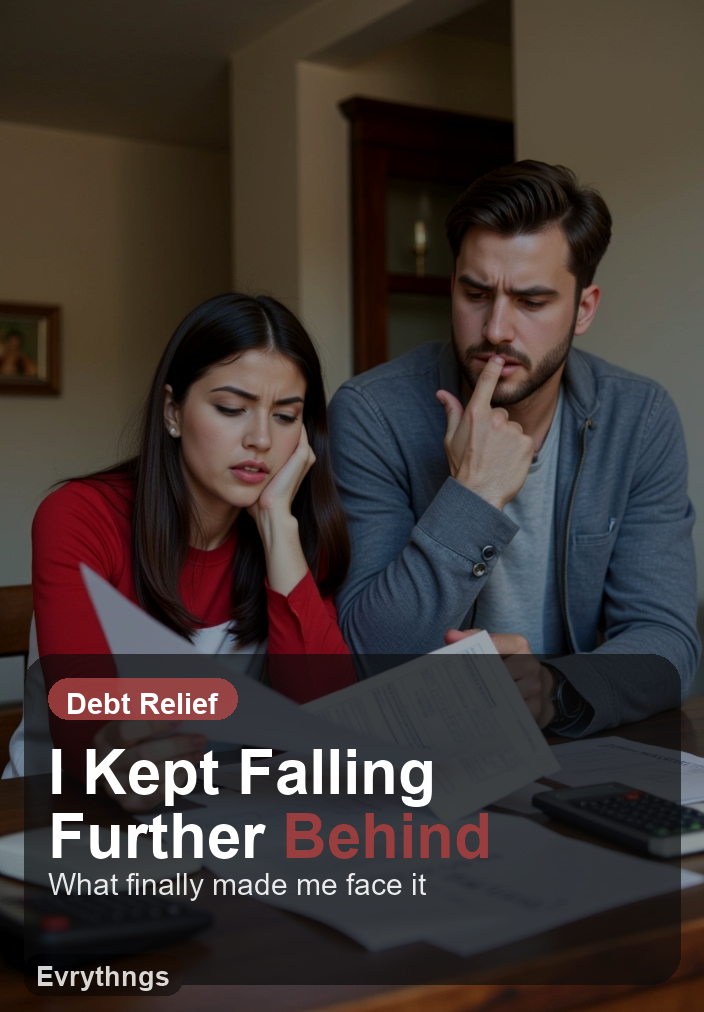

How to Cope with the Feeling of Being Financially Trapped
Understanding the Weight of Financial Trapping
For many, the experience of being financially trapped is an insidious creep. It often starts small—perhaps a single credit card with a modest balance. Month by month, the bills pile up, and before you know it, you’re facing a mountain of debt that seems insurmountable. It’s a cycle that builds quietly, often unnoticed until it becomes overwhelming. And with that feeling of being trapped comes a wave of emotions that can be just as suffocating as the debt itself.
The Mechanics of Debt
To fully understand your situation, it’s essential to grasp how debt works. When you carry a balance on a credit card or a personal loan, interest charges accumulate. This can create a vicious cycle where you find yourself making only minimum payments, which predominantly cover interest rather than reducing the principal amount owed. As debts grow, so does the pressure. Each month might feel like you’re just treading water, making it hard to see a way out.
The Pressure of Minimum Payments
Many people feel a sense of relief when they manage to make their minimum payments each month. However, this can also create a false sense of security. With high-interest rates, your debt can continue to grow even as you feel like you’re managing it. This leads to financial stress, which can permeate every aspect of your life.
Emotional Realities of Debt
Dealing with financial pressure is not just a numbers game; it’s a deeply emotional experience. Shame can often accompany debt, making you feel isolated or embarrassed. This can lead to avoidance behavior—ignoring bills, avoiding discussions about money, or even hiding financial information from loved ones. These feelings can create a rift in relationships, affecting not just your financial well-being but also your mental health.
Stress and Its Impact
The stress of being in debt is real. It can affect sleep, relationships, and overall mental health. It’s common to feel paralyzed, not knowing how to move forward while the bills stack up. Recognizing these feelings is the first step to addressing them. It’s crucial to understand that you are not alone and that many have faced similar challenges.
Practical Steps to Consider
While it may feel daunting, taking practical steps can help you regain a sense of control. Start by assessing your financial situation honestly. Write down all your debts, their interest rates, and minimum payments. This can be an eye-opening exercise and help you prioritize which debts to tackle first.
Creating a Budget
Once you have a clear picture of your debts, consider creating a budget that outlines your income and expenses. This will allow you to see where your money is going each month and identify areas where you could cut back on spending. Sometimes even small adjustments can lead to extra cash that can be redirected toward paying off debts.
Seeking Help
For some, taking on debt alone can be incredibly challenging. If you’re feeling overwhelmed, it might be worth exploring options for professional help. Services like CuraDebt offer consultations for those dealing with serious unsecured debt. They can help you understand your options and develop a plan tailored to your situation. While this isn’t a miracle solution, it can be a significant step towards regaining control.
Finding Hope Amidst the Pressure
Feeling financially trapped can be suffocating, but it’s vital to remember that change is possible. Start by taking one concrete step today. This could be as simple as reaching out to a trusted friend, setting up a consultation with a debt relief service like CuraDebt, or even just taking a moment to breathe and reflect on your next move. Acknowledge that the first step toward financial freedom often involves confronting the reality of your situation.
By taking small, deliberate actions, you can gradually shift the balance of power back in your favor. The journey may be long, but with commitment and support, it’s one that you can navigate. You are not defined by your debt; you have the strength and resilience to work through it, one step at a time.