
The Emotional Highs and Lows of Food Cravings
The Emotional Highs and Lows of Food Cravings
In our ever-busy lives, food often becomes a comforting anchor amidst the chaos. It’s not just about nourishment; it’s about those feelings of warmth and safety that come with our favorite meals. Whether it’s grabbing your go-to snack right after a long day or enjoying a hearty dinner with friends, food has a unique ability to soothe our weary souls. Yet, alongside the comfort, come the cravings—those undeniable urges that can feel overwhelming at times. How do we navigate this emotional landscape that our cravings create? Let’s take a closer look at the highs and lows of our food cravings and the role they play in our daily routines.
The Comfort Factor
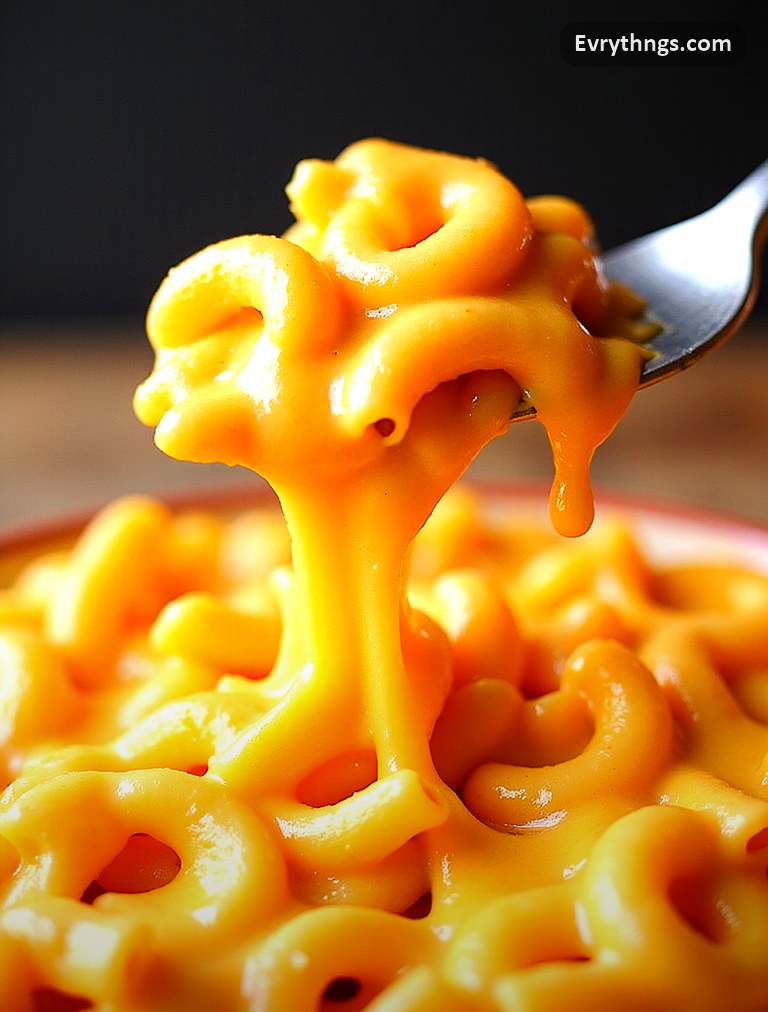
Food is often intertwined with our emotions. Think about it: when you’re stressed, what do you crave? Comfort food, right? It might be creamy mac and cheese, a warm bowl of soup, or even a big slice of chocolate cake. These foods can transport us back to simpler times, often reminding us of the nurturing moments shared with loved ones or the cozy feeling of being at home.
There’s a real psychological aspect to our cravings. Foods we associate with love and safety can remind us that despite life’s pressures, there are still moments of joy and comfort to be found. A bowl of popcorn while watching a favorite movie or a celebratory slice of birthday cake might not just be about the food; they symbolize connection, warmth, and a sense of belonging.
Identifying Cravings
While some cravings can be joyful and fulfilling, others can cause us to feel guilty or stressed. The conflict between wanting to indulge and the urge to maintain a healthy lifestyle can be exhausting. It’s essential to recognize that cravings are normal and often stem from our emotional state.
Reasons Behind Food Cravings
- Emotional Triggers: Stress, sadness, or anxiety can lead people to seek comfort in food.
- Habitual Associations: Certain situations might make us crave specific foods. For example, if you always have ice cream after a tough day, your brain starts to link stress relief with ice cream.
- Nutritional Needs: Sometimes, cravings can indicate that our bodies need certain nutrients. A hankering for something salty might point to a need for minerals.
Understanding the triggers can help us navigate cravings more consciously. Instead of automatically reaching for that tub of ice cream, could a warm bath or a walk provide the comfort we’re seeking? Acknowledging our cravings without judgment allows us to make more mindful choices.
Coping with Cravings
Handling cravings can be as much about managing our emotions as it is about food. Here are some ways to cope:
- Mindful Eating: Savor each bite when you do indulge. Slowing down can enhance satisfaction and reduce the urge to overeat.
- Healthy Alternatives: If you’re craving something sweet, how about a piece of fruit instead? It can satisfy the sweet tooth while providing nutrients.
- Distraction Techniques: Engaging in a hobby or going for a quick walk can help shift our focus away from cravings.
These coping mechanisms aren’t about restrictions; they’re about embracing a fuller awareness of what our bodies and minds truly need. Sometimes, it’s okay to indulge fully, while at other times, a healthier choice might bring just as much satisfaction.
The Financial Reality
While food can provide emotional comfort, the rising costs of groceries might affect our ability to indulge. With each trip to the store, many of us have felt the pinch of increasing prices, leading to a necessary reevaluation of our budgets. This financial stress doesn’t just impact our grocery bills; it can also intensify the emotional weight of cravings.
When money is tight, cravings can stir up an array of feelings—guilt, frustration, or even sadness. The thought of budgeting may feel like a damper on our ability to experience comfort through food. However, it’s possible to find a balance between satisfying those cravings and being mindful of costs.
Making the Most of Grocery Spending
Here are some practical strategies to navigate the grocery aisles without sacrificing comfort:
- Meal Planning: Planning meals around sales can help stretch your budget while still allowing for comforting favorites.
- Bulk Buying: Purchasing staple items in bulk can lead to savings over time, particularly for non-perishable items.
- Local Markets: Visiting local farmers’ markets can yield fresh produce at lower prices while also supporting local growers.
By finding ways to cut costs, we can create a more sustainable relationship with our food. It’s not just about saving money; it’s about being intentional with our choices, which can ultimately lead to more emotional satisfaction.
Finding Extra Breathing Room
With all the juggling that comes with managing work, family, and other commitments, it’s no wonder that some people look for additional income streams. As costs rise, many are exploring beginner-friendly online work or remote gigs to carve out some financial breathing room.
While it’s essential to focus on craving fulfillment through food, finding ways to ease financial pressures can lead to a greater sense of comfort overall. Whether it’s freelance writing, online tutoring, or other remote opportunities, the potential for flexibility can provide the necessary space to tackle both emotional and financial needs.
Reflecting on Food and Financial Well-being
At the end of the day, our relationships with food and finances are deeply intertwined. Both influence our daily lives in significant ways. Cravings remind us of our humanity and our need for connection, while managing our budgets allows us to create a stable environment where those connections can thrive.
As we navigate the highs and lows of cravings, it’s crucial to approach them with kindness and understanding. The journey to finding comfort—whether through food or financial strategies—requires a balance that acknowledges the emotional aspects of our daily routines. By being mindful of both our cravings and our spending, we can create a life that feels a little easier and a lot more fulfilling.
In the end, food is not just fuel; it’s a way to connect with ourselves and others, a means to find solace in moments of chaos, and a reminder that even amidst challenges, we can still nourish both our bodies and our spirits.