Understanding Food Cravings: What Your Body Really Wants
The Comfort of Food in Our Busy Lives
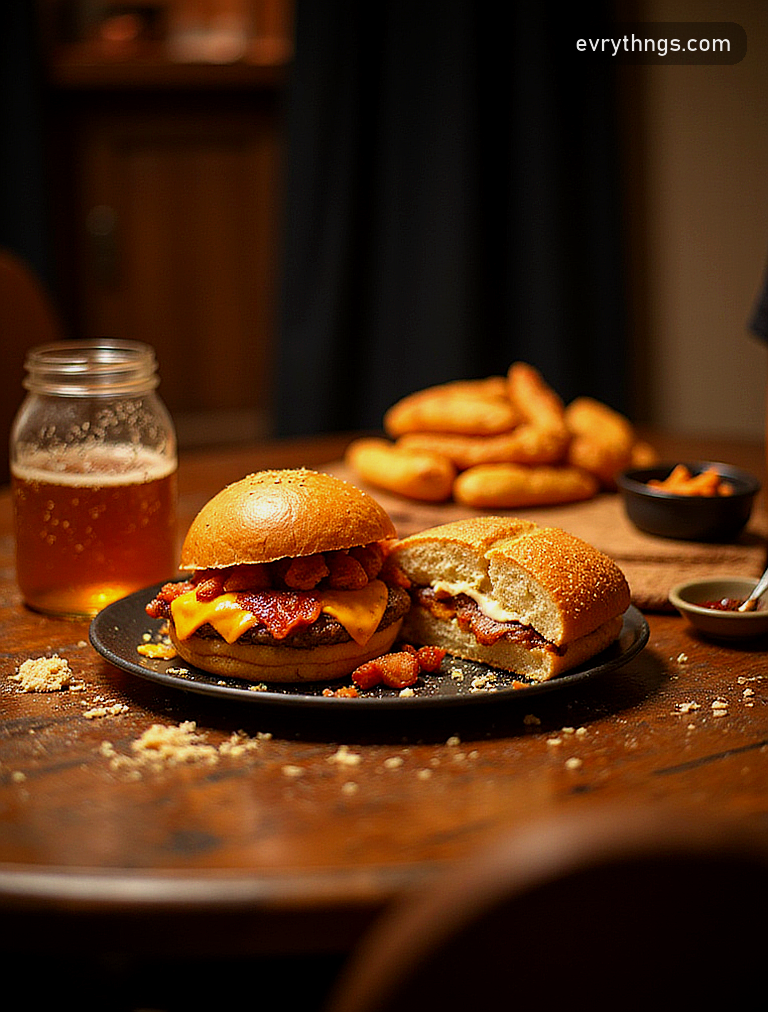
In the hustle and bustle of everyday life, food often becomes our refuge—a comforting presence amidst the chaos. Whether it’s the aroma of freshly baked bread, the warmth of a hearty soup, or the simple pleasure of a well-made sandwich, food has an uncanny ability to soothe our frayed nerves. It’s not just about satiating hunger; it’s about providing a sense of home and familiarity, especially when life feels overwhelmingly busy and stressful.
As adults, we juggle various responsibilities—work, family commitments, social obligations—each demanding a piece of our time and energy. In such a landscape, finding comfort in food isn’t merely a pastime; it becomes a necessary ritual. We might seek out our favorite snacks during a long workday, or indulge in a rich dessert after a particularly challenging week. The act of eating becomes intertwined with our emotions, a way to reward ourselves or find solace in trying times.
Understanding Cravings: What Are They Telling Us?
Cravings are often viewed through the lens of guilt. We tell ourselves that wanting a slice of cake, or a bowl of pasta is a weakness, a sign that we’ve lost control. However, craving specific foods is actually a natural part of our body’s communication. These cravings can be tied to a myriad of factors—physical, emotional, or even environmental.
Physical Signals
Sometimes, cravings stem from genuine physical needs. If you’re feeling fatigued, your body might be asking for carbohydrates for a quick energy boost. Alternatively, if you’re low on iron, you might find yourself reaching for red meat or leafy greens. Listening closely to these signals can provide insight into your body’s needs. The key is to discern between the body’s intentional requests and the habitual reactions linked to stress or boredom.
Emotional Connections
Food is deeply tied to our emotions. Maybe you find yourself drawn to the comforting taste of mac and cheese after a tough day, or you crave chocolate when feeling anxious. These cravings can serve as a coping mechanism, a way to soothe our emotional states. Recognizing this connection is crucial; it helps us see food as a source of comfort, rather than simply a means of filling our stomachs.
Environmental Triggers
Our surroundings also play a significant role in what we crave. The smell of coffee in the morning or a bakery’s scent wafting through a mall can provoke immediate cravings. Social situations, like gathering with friends for pizza or ice cream, can heighten our desire for certain foods. It’s essential to understand these triggers and how they influence our eating habits.
Food and Financial Stress: The Reality We Face
The interplay of food cravings and financial realities is a delicate balance many of us navigate. As the cost of living continues to rise, we often find ourselves making difficult decisions about our spending habits. Groceries are one of those areas where it can feel like we need to tighten our belts. With inflation affecting food prices, our comfort foods may start to seem less attainable. The result? Stress and frustration: we long for the nourishment of our favorite meals, but those cravings can feel at odds with the rising costs of grocery bills.
When faced with financial pressure, convenience can quickly become king. We might reach for quick and easy processed foods that are less expensive but lack the comforting familiarity of home-cooked meals. This pattern can lead to a cycle of dissatisfaction—while we momentarily address our cravings, we may not be nurturing ourselves in the way we truly desire.
Finding Breathing Room: Practical Solutions
Addressing our cravings while managing our budgets can feel overwhelming, but there are ways to create more breathing room without completely sacrificing comfort. Here are a few practical strategies to consider:
- Plan Your Meals: Spend a few moments each week planning meals can help you stay on track with both cravings and budget. You can create a shopping list with reasonable estimates, reducing impulse buys.
- Shop Seasonal: Choosing fruits and vegetables that are in season can lower grocery costs. Not only are these items typically more affordable, but they also tend to be fresher, enhancing their comforting qualities.
- Cook in Batches: Preparing meals in larger quantities can save both time and money. You can make a big pot of soup or a casserole that lasts for several days, providing you comforting meals without the daily stress of cooking.
- Rediscover Your Kitchen: Take a moment to reflect on the simple joys of cooking. Engaging with your food can help you connect with your cravings while also empowering you to make healthier choices.
Exploring New Opportunities
In the quest for financial breathing room, some individuals are finding innovative ways to supplement their income without overwhelming their schedules. From exploring beginner-friendly online work to seeking out remote gigs, there are options that can provide the flexibility needed to better balance our financial responsibilities while also carving out time for the comforts of cooking and enjoying food. It’s about finding what works best for you and your lifestyle, enabling you to bring a bit more ease into your daily routine.
Embracing Food Comfort and Financial Balance
At the end of the day, food comfort and financial stability are intertwined in ways that require our attention and care. While our cravings often point us toward what we truly desire, our financial choices can either restrict or enable those desires. It’s about finding the right balance—a place where we can honor our cravings without feeling guilty or constrained by our budgets.
Remember, it’s perfectly okay to seek comfort in food. Our lives are complex, and we deserve moments of joy and relaxation, even amidst the chaos. As we navigate the challenges of everyday life, let’s strive to make choices that nourish us both physically and financially. In doing so, we can create a more satisfying, simple, and comforting existence, one meal at a time.